
How Retirees Can Buy the Right Home to Support Homesteading and Family Life
Discover how to choose a retirement home that supports gardening, family gatherings, and the lifestyle you've always envisioned.
COMMUNITY
7/7/20264 min read
Retiree home buyers who want to buy a larger home often have two goals in mind: a homesteading lifestyle that finally fits and family-friendly living spaces that make visits easy. The tension is real, though, more space can mean higher costs, more upkeep, and more chances to buy the wrong property for day-to-day retirement life. Retirement real estate challenges show up fast when a dream home needs constant work, drains cash flow, or sits too far from the services that make aging in place practical. With the right lens, a bigger home can support both independence and family life.
Build a Home buying Plan That Fits Retirement Life
This process helps you set a comfortable price target, line up a realistic financing path, and shop for a property that supports both homesteading projects and easy family visits. It matters because small planning choices now can prevent big surprise costs and workload later.
Set an affordable target and a “true cost” cushion
Start with a monthly number you can handle on a fixed income, then add a cushion for utilities, repairs, and seasonal upkeep that often rise with extra space and land. Write down your non-negotiables for retirement comfort (single-level living, fewer stairs, easy driveway access) so the budget supports aging in place, not just square footage.Choose your financing plan and prep your paperwork
Decide whether you will pay cash, use a mortgage, or do a mix, then confirm you meet basic qualification markers such as a credit score of 620 or higher to qualify for a conventional mortgage. Create a simple folder for lender requests, including retirement and Social Security income statements so preapproval is smoother and you can make stronger offers.Translate your homesteading hobbies into land requirements
List your top three activities (garden beds, chickens, workshop, beekeeping, fruit trees) and convert each into a practical need: flat sunny area, water access, storage, fencing potential, and distance from neighbors. Keep it beginner-friendly by ranking each as Must, Nice, or Later so you do not overbuy land you will not use.Build a home search checklist for family and daily living
Create a one-page checklist that covers hosting and everyday comfort: bedroom and bathroom count, guest privacy, safe entry, pantry and freezer space, and a flexible room for grandkids or hobbies. Add “service reality” items like distance to groceries, pharmacy, and healthcare, because convenience often determines whether a home stays enjoyable year-round.Tour properties like an inspector and price hidden costs
During showings, test the big-ticket systems by asking ages and service records for roof, HVAC, well or septic, and any outbuildings, then request rough quotes before you fall in love. Walk the land after rain if possible, check drainage, and note driveway slope and snow or mud risk since access issues can turn into recurring expenses.
Turn a Homesteading Hobby Into a Simple, Manageable Micro-Business
Once you’ve found a home that fits your retirement budget and routines, you can decide whether your homesteading is just for joy, or also a small, steady income stream. Turning a hobby into a simple micro-business starts with keeping it light: sketch a basic plan for what you’ll offer, set up straightforward day-to-day operations, and budget so expenses and earnings stay clear and contained. If you want more structure, earning a business management degree can build your skills in leadership, operations, and project management, here's another angle to explore that path. And because online degree programs are flexible, it’s easier to juggle running your small venture while keeping up with your coursework.
Home Features Compared: Joy vs. Cost vs. Upkeep
Use this quick framework to weigh the home upgrades that support homesteading and family time. It helps you separate “nice to have” features from the ones that truly change daily life, so you can buy with fewer regrets.
If you want the benefits of “more land” without signing up for full-time maintenance, aim for enough acreage to match your weekly energy and budget. Rural parcels can skew larger in some markets since the typical size expanded, so it pays to be intentional about how much you actually need. Choosing your priorities first makes the shopping process feel simpler and more confident.
Retirement Home-Buying Questions, Answered
Q: What financing options make sense for retirees buying a bigger home?
A: Many retirees use a mix of sale proceeds, retirement income, and a traditional mortgage that fits a conservative payment. Ask lenders to quote a few scenarios so you can compare monthly payment, cash needed at closing, and how long you plan to stay. If you are paying cash, consider keeping a larger emergency fund for repairs, wells, or fencing.
Q: How do I budget for more square footage without feeling house-poor?
A: Build your budget around total monthly cost, not just the payment: utilities, insurance, upkeep, and a repair reserve. A simple rule is to stress-test the budget using a “bad month” number with higher bills and a surprise fix. If the stress-test fails, lower price, shrink the home, or reduce acreage.
Q: What should I check first to know if land is homestead-friendly?
A: Before you fall in love with a view, look at the soil survey and confirm water access, drainage, and sun exposure. Then verify zoning and any restrictions on animals, outbuildings, or roadside stands.
Q: How can we make room for family visits without buying a massive house?
A: Prioritize flexible sleeping options like a den with doors, a small guest suite, or a hobby room that can convert. Sound control matters too, so check door placement, hall traffic, and whether guests can reach a bathroom without crossing your bedroom.
Q: Should we buy more acreage now “for later,” or keep it manageable?
A: Choose land you can care for with your current health and weekly energy, not your best-case future. A list of three things can help you commit to must-haves and quickly pass on parcels that will become a burden.
You can build a home that supports your life now and still welcomes the people you love.
Turn Retirement Homebuying Into a Clear, Family-Ready Homestead Plan
Wanting land for a garden and space for grandkids is exciting, but it can feel like you’re choosing between comfort, cost, and capability. The steadier approach is to anchor decisions in clear homesteading retirement goals, then let family-friendly home benefits and a realistic budget guide every choice, especially when planning larger retirement homes. Buy the home that fits your retirement lifestyle choices, not a fantasy version of them. Pick your next three moves today: write down your non-negotiables, rank the features that make visits easy, and set a simple timeline to follow through on practical homebuying steps. That clarity turns a stressful search into a home base that supports health, resilience, and connection for years.
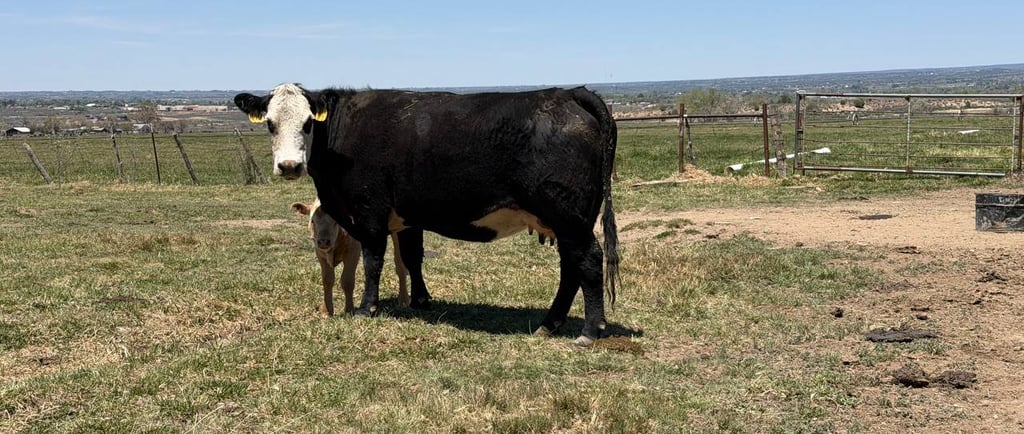
Experience the charm of our working ranch in Cortez, Colorado.
Terms of Service
© 2024-2026. All rights reserved.