
How to Start and Grow a Profitable Small Farm Step by Step
For aspiring small farm owners, busy workers chasing a side income, families wanting more control over food, and career-changers craving outdoor work, the pull of starting a small farm is real. The core tension is just as real: small-scale farming can pay, but the early decisions can feel confusing and expensive, and a few wrong turns can turn a dream into a money pit. The benefits of small-scale farming include flexible work, tangible results, and income tied to skills that improve over time. With the right expectations, today’s small farm opportunities can support a steady, practical path from first harvest to real profit.
COMMUNITY
2/3/20266 min read
For aspiring small farm owners, busy workers chasing a side income, families wanting more control over food, and career-changers craving outdoor work, the pull of starting a small farm is real. The core tension is just as real: small-scale farming can pay, but the early decisions can feel confusing and expensive, and a few wrong turns can turn a dream into a money pit. The benefits of small-scale farming include flexible work, tangible results, and income tied to skills that improve over time. With the right expectations, today’s small farm opportunities can support a steady, practical path from first harvest to real profit.
Quick Summary of the Small Farm Roadmap
● Start by choosing a profitable small farm model and mapping clear startup steps.
● Secure the right land through thoughtful farm land acquisition decisions.
● Explore practical farm financing options to fund setup and early operating costs.
● Buy essential equipment strategically so purchases match your plan and budget.
● Plan crop production and farm monetization strategies to sell reliably and grow income.
Set Up Land, Financing, Equipment, and Tracking
Here’s a practical path you can follow.
This process helps you move from “I want a small farm” to a workable setup with land, funding, tools, a simple crop plan, and basic bookkeeping. Doing these in order matters because early decisions can quietly lock in your costs, workload, and profitability.
Step 1: Choose land that matches your first-year plan. Start by listing what you want to sell in the first season, then look for land that supports that goal with access, water, sunlight, and room to expand later. Walk the property and picture daily realities like where you will store tools, load a vehicle, and manage runoff. The best land is the land that makes your simplest plan easy.
Step 2: Pick a financing route and document your numbers. Decide whether you are funding with savings, a lender, a land contract, or a mix, then estimate your startup costs and first-year cash needs. A lender will expect clarity, so create a detailed business plan that spells out what you will grow, what you will buy, and when income should start. This step protects you from running out of cash halfway through the season.
Step 3: Buy only the equipment that removes a bottleneck. Write down your most time-consuming tasks and choose tools that cut those hours first, such as irrigation setup, bed prep, or post-harvest handling. Compare used versus new by calculating total cost, including repairs, fuel, and replacement parts, not just the sticker price. If a tool does not clearly save time or prevent losses, postpone it.
Step 4: Map a simple crop rotation you can repeat. Divide your growing space into a few zones, then rotate crop families through those zones each season to reduce pest pressure and keep soil healthier. Keep the first rotation plan uncomplicated so it is easy to execute while you are still learning. Leave buffer space for mistakes, cover crops, or a late planting.
Step 5: Start bookkeeping on day one with one tracking tool. Pick one simple method you will actually use, such as a spreadsheet or basic accounting app, then set up categories for supplies, equipment, utilities, and sales using a bookkeeping tool comparison. Build the habit of saving every receipt since receipts are 90 percent of the problem for farmers who struggle with finances, and log invoices and mileage weekly to avoid backtracking later. Clean records make pricing and profit decisions much easier.
Small, consistent systems now make your farm feel manageable fast.
Plan → Plant → Maintain → Harvest → Review
A profitable small farm runs on rhythm, not urgency. This workflow turns seasonal farm management into a repeatable timeline so you always know what to do next, even during busy weeks. Use it to align your crop planting schedule, harvest timing, and farm maintenance cycles with simple money check-ins.
Each stage feeds the next: planning sets pace, planting creates momentum, maintenance protects effort, and harvest converts work into cash. The review step closes the loop, helping you tighten your process without adding complexity.
Run the loop for one month, and the farm starts to feel predictable.
Add Income Streams: Creative Ways to Monetize Your Land
The fastest way to make a small farm more financially stable is to stack income streams that fit your land, your schedule, and your comfort with visitors. Think of these as “side crops” you can plug into your Plan → Plant → Maintain → Harvest → Review rhythm.
Lease low-effort space for a solar farm: If you have open, relatively flat acreage near power lines, solar developers may pay to lease it, often with less daily labor than livestock or vegetables. Start by mapping 5–20 “unused” acres (or land that’s hard to irrigate), then call your county planning office to ask about zoning and setbacks before you talk to developers. Keep your review step in mind: compare a long lease payment to what the same acres would net as hay or grazing.
Rent your land to other farmers (or for storage): Leasing a pasture, field edges, or a barn can turn “idle” assets into predictable cash flow. Because farmland rent can be competitive, some projections show it may rise by 7%, get 2–3 local comps (neighbors, extension office, farm listings) before you set your rate. Use a simple one-page agreement that spells out dates, access, water use, and who maintains fences.
Test agritourism with one small event: Agritourism opportunities don’t have to start as a full-time destination. Pick one simple, seasonal “open farm” day that matches your timeline, spring seedlings, fall pumpkins, or a weekend “meet the animals” tour, and cap attendance so you can manage it. Your weekly routine becomes your safety routine: parking plan, handwashing station, clear signage, and a friend to help supervise.
Turn your best view into a farm-based wedding venue (part-time): Weddings are higher-stakes but can be high-margin if you keep the offering tight. Start with a “micro-wedding” package (weekday or off-season, 20–50 guests) and require vendors you trust for rentals, restrooms, and trash. Walk your property like a guest: level ground for seating, a rain plan, a quiet neighbor buffer, and a hard stop time so it doesn’t wreck your next morning’s chores.
Start a small beekeeping business (even if you’re not a beekeeper yet): Bees can monetize marginal space and improve pollination, and you can scale slowly. Begin by confirming forage and placement (sun, windbreak, water), then start with 1–2 hives and a beginner class before you commit to dozens. “Harvest” can be honey, beeswax products, or pollination services. Choose one product first so your equipment list stays sane.
Offer farm campground rentals with clear boundaries: A single tent site or RV spot can earn money without building a whole campground. Choose one durable area near a driveway, add a gravel pad if needed, and keep amenities minimal at first (fire ring, picnic table, posted quiet hours). Your maintenance cycle should include a weekly cleanup checklist and a simple rule set that protects livestock areas and biosecurity.
Build petting zoo enterprises around safety, not cuteness: If you already have friendly animals, you can offer short, supervised sessions by appointment. Focus on 2–3 calm species (goats, sheep, rabbits), set up double-gate entry, and create a “hands wash in/hands wash out” flow. Charge per family or per 30-minute slot, and only expand after your review step shows it’s worth the extra insurance and wear-and-tear.
Do a quick land-fit check before you commit money: The best farm monetization ideas match what your land can handle with the least friction. A free web soil survey can quickly tell you if a spot is better for parking, pasture, gardens, or “don’t-touch-it” conservation space. Once you know your land’s strengths, it’s easier to pick a few income streams, set simple metrics (profit per hour, profit per acre), and start small without getting overwhelmed.
Take Three Simple Steps Toward Profitable Small Farm Momentum
Starting a profitable small farm can feel overwhelming because there are a dozen good ideas and only so much time, money, and energy. The way through is a clear farm business action plan built on small tests, simple numbers, and steady follow-through, so implementing farm ideas doesn’t turn into busywork. Pick three actions, measure what matters, and keep iterating, profit comes from consistency. Choose your first three actions this month: one to validate demand, one to set up a repeatable income stream, and one to track a basic metric like weekly sales or costs. Those beginner farm success tips create small farm motivation that lasts, because progress becomes visible and the farm starts supporting a more resilient life.
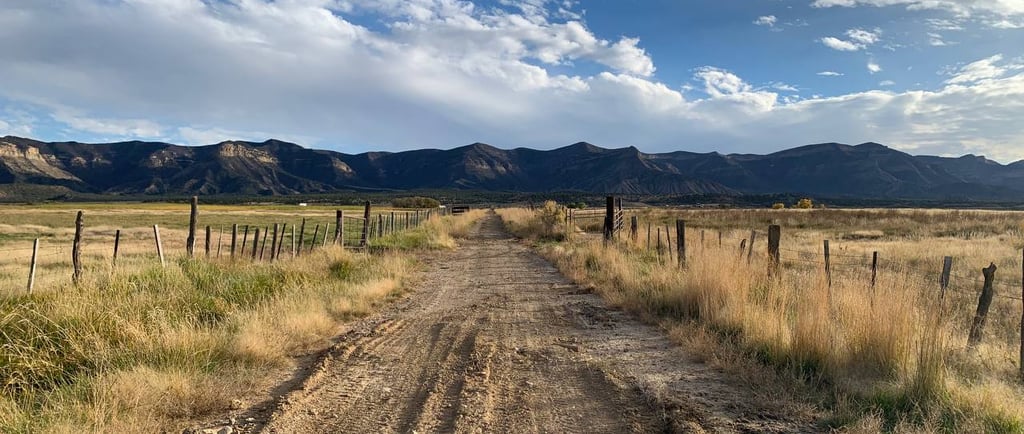
Experience the charm of our working ranch in Cortez, Colorado.
Terms of Service
© 2024-2026. All rights reserved.